Genius 11 Rustic Garden Ideas That Fix Patchy Grass & Dead Spots
Patchy grass ruining your cottage-core dreams? Same. The good news: you can turn those bald spots into charming, low-maintenance moments that look intentional and gorgeous. These rustic garden ideas hide, heal, and elevate every meh corner. Ready to make your yard look like a magazine spread without acting like a golf-course groundskeeper?
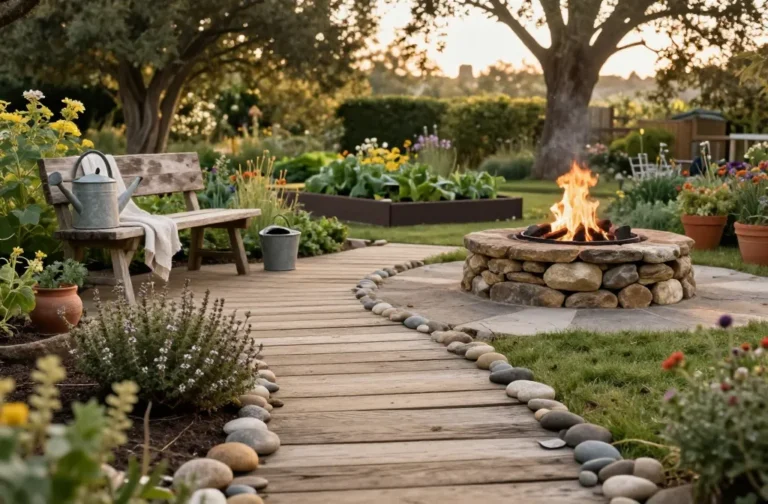
1. Build A Meandering Mulch Path Over Trouble Zones
Tired of snacking when you’re not even hungry? This reset helps you stop the loop and feel back in control.
A simple reset for moments when cravings take over. Easy to use, easy to repeat, and designed to help you feel satisfied instead of stuck.
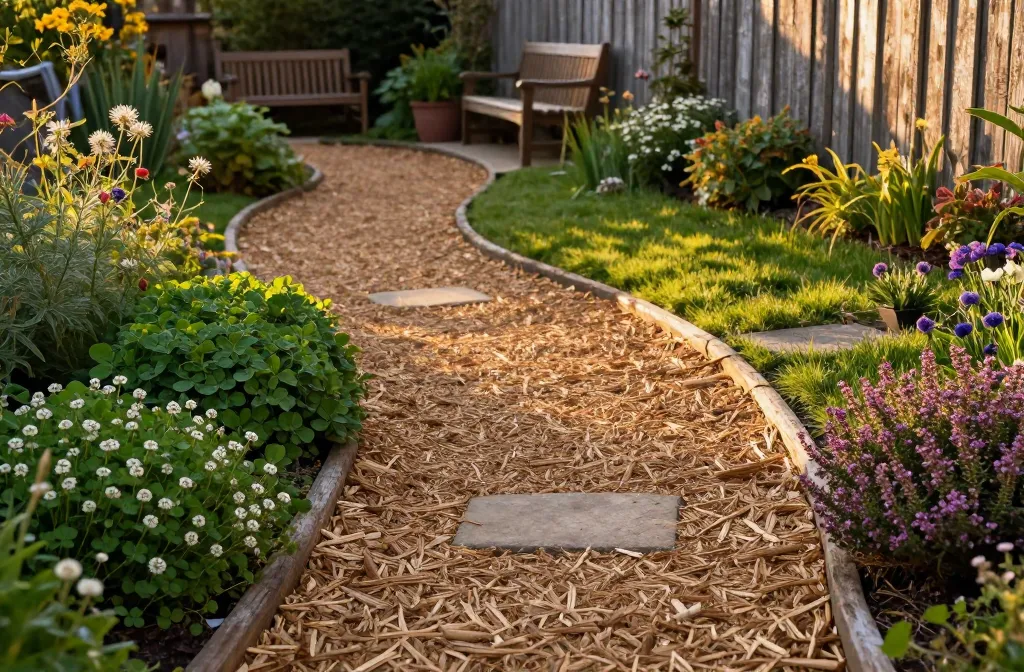
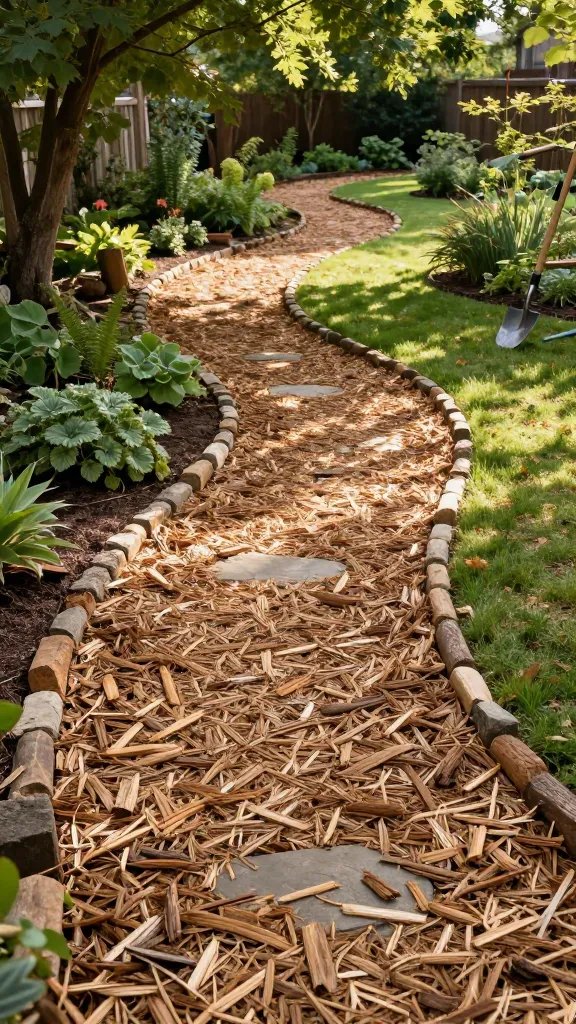
Got a traffic lane that refuses to grow grass? Turn it into a charming woodland-style path. A curvy mulch path takes the eye off bare spots and guides guests through your garden like they’re on a tiny adventure.
Materials
- Landscape fabric (optional if weeds haunt you)
- Shovel, edging spade, and a rake
- Natural wood mulch or shredded bark
- Stone or log edging for rustic vibes
Cut a gentle S-curve, lay fabric if weeds drive you nuts, then spread 2–3 inches of mulch. Tuck in flagstones or short logs along the edge so it feels old-world instead of “construction site.” Benefits: zero mowing and instant texture where grass gave up.
2. Swap Dead Patches For Clover And Creeping Thyme
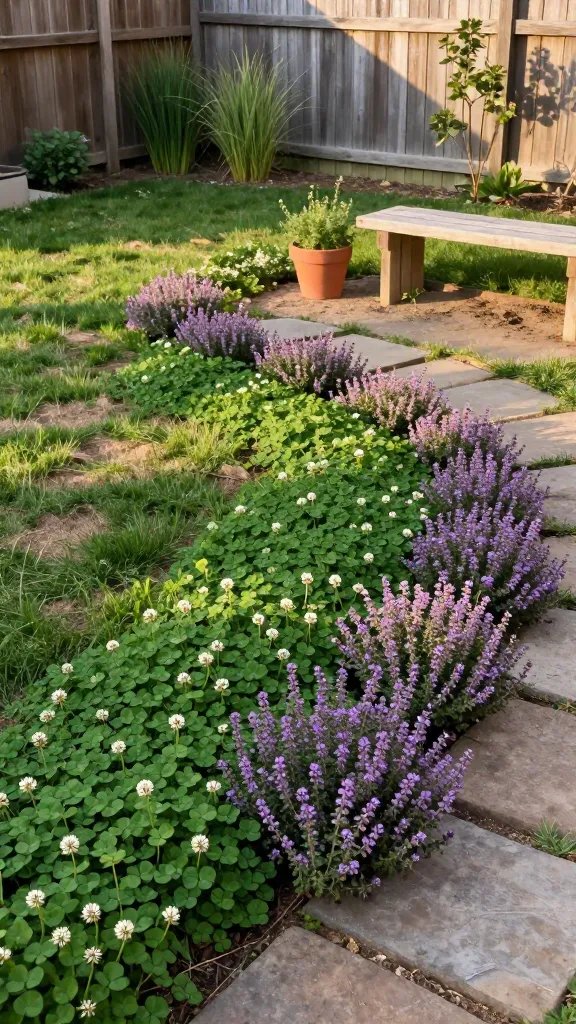
Grass can be dramatic. Clover and thyme? Chill, drought-tolerant, and cute. These groundcovers fill in gaps, fix nitrogen (clover), and release fragrance when you step on them (thyme—chef’s kiss).
Transform Your Home With 7,250+ Stunning Landscaping Designs—No Expensive Designers Needed!
- 🌿 Access 7,250+ stunning landscaping designs.
- 💰 Save thousands—no pro designer needed.
- 🏡 Plans for gardens, patios, walkways, and more.
- ✨ Simple, beginner-friendly DIY layouts.
- 🛠️ Customize any design to fit your yard.
Tips
- Overseed with microclover blend for a soft, even look
- Use creeping thyme on sunny, well-drained spots
- Water lightly but consistently until established
Clover stays green longer and needs less mowing. Thyme laughs at heat and looks lush in awkward corners. Perfect for high-sun trouble zones where grass taps out.
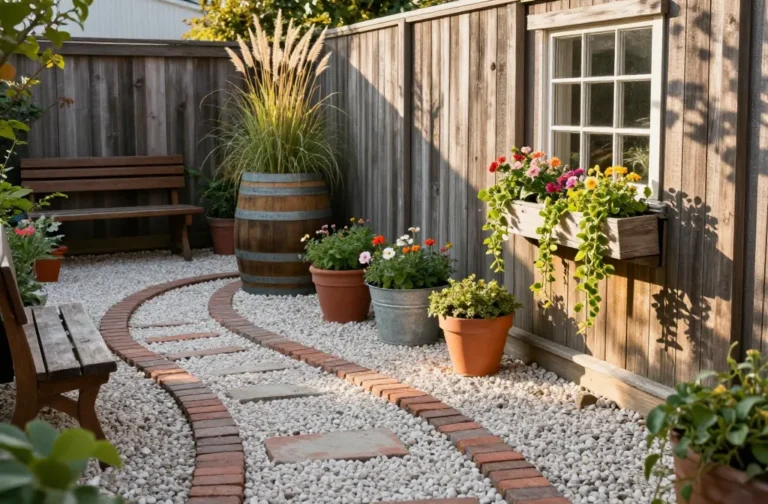
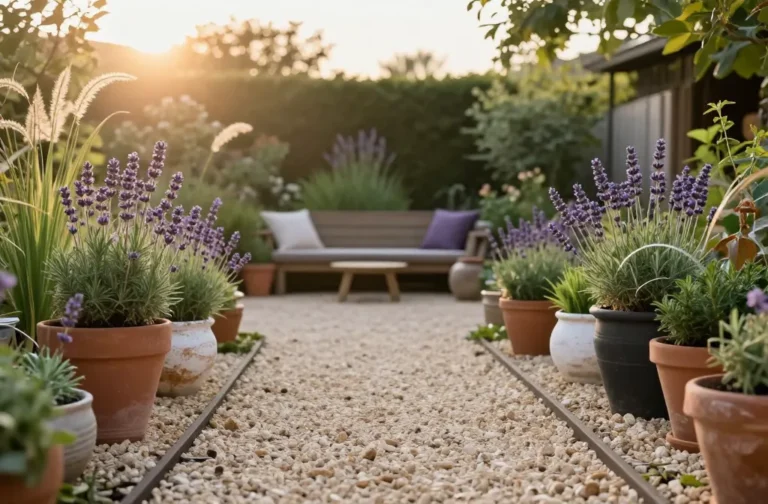
3. Create A Rustic Seating Nook With Pea Gravel
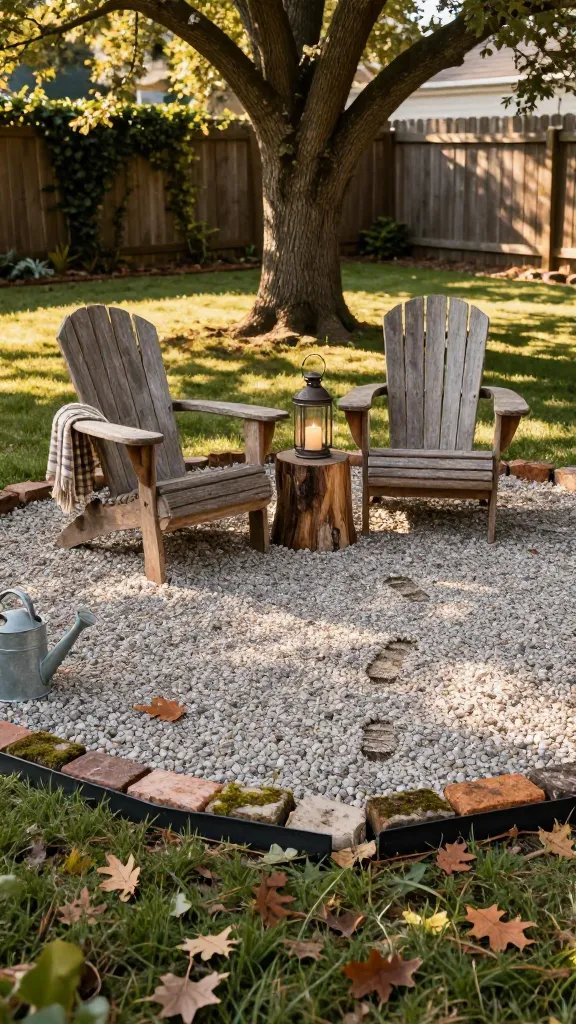
Turn one big ugly patch into your favorite hangout. A simple pea gravel pad plus a couple of Adirondack chairs screams “I planned this,” not “my lawn quit.”
Key Points
- Frame with weathered bricks, logs, or metal edging
- Lay 2–3 inches of compacted gravel; add a tamp for stability
- Top with wood furniture, lanterns, and a plaid throw
Pea gravel drains well, hides imperfections, and costs less than pavers. Use this over recurring dead zones under trees or by the back fence. FYI: It looks extra good with a fire pit.
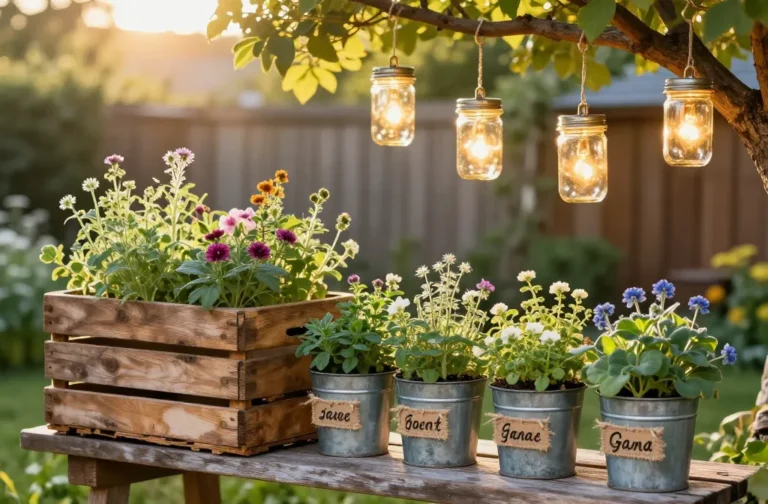
4. Cluster Whiskey Barrels And Crates As Portable Planter Islands
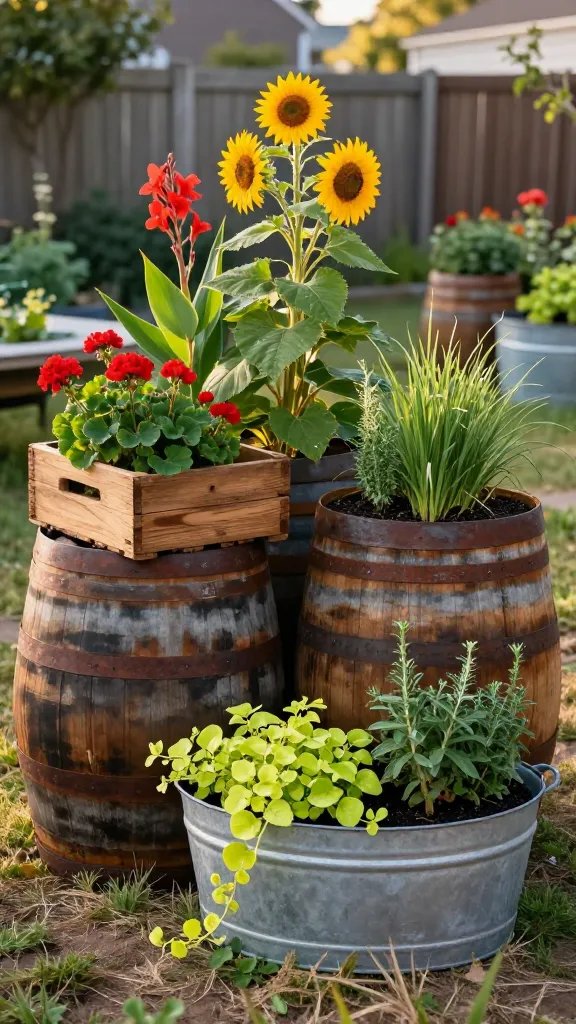
Dead spot? Drop a rustic planter island on it. Whiskey barrels, vintage crates, and galvanized tubs add height and charm while giving roots the perfect soil—no more fighting bad ground.
Planting Ideas
- Spillers: sweet potato vine, creeping jenny
- Fillers: geraniums, herbs, dwarf fountain grass
- Thrillers: sunflowers, canna, or dwarf shrubs
Group three planters of different sizes for instant composition. You can move them as the sun shifts, or when you inevitably change your mind (IMO, that’s half the fun). Great for areas with compacted soil or tree roots.
5. Lay A Patchwork Of Salvaged Stepping Stones
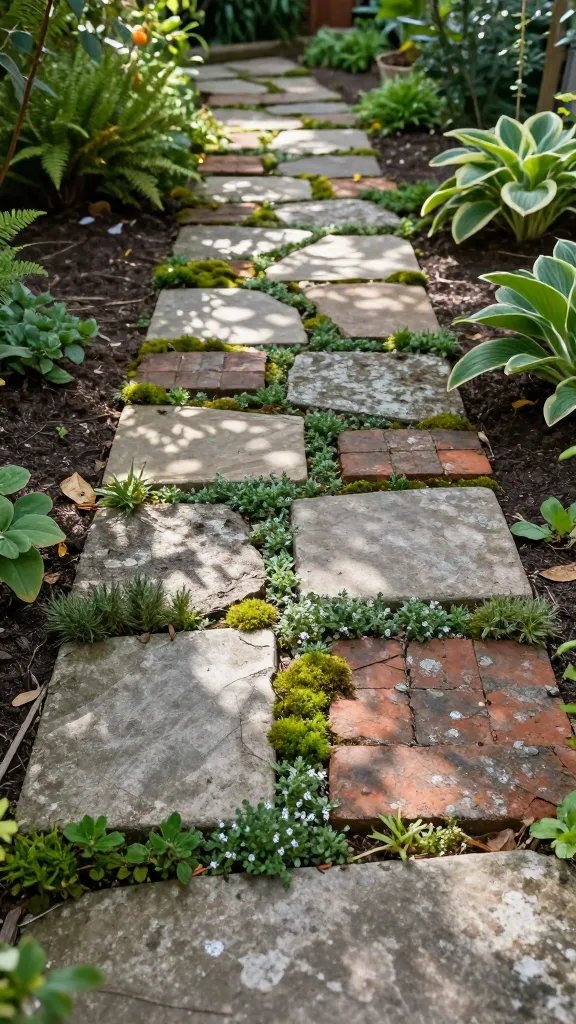
Don’t fight the mud path—make it charming. Mix flagstone, broken concrete, and old bricks into a patchwork trail that looks like it’s been there forever.
How-To
- Set stones 1–2 inches above grade; backfill with sand or screenings
- Plant creeping thyme, baby tears, or moss between gaps
- Keep stones level enough for walking but not too perfect
It’s functional art that saves you from mowing problem stripes. Bonus: the joints become a mini habitat for pollinators and little moss kingdoms. Use on shady zones or along downspout paths.

6. Edge Beds With Logs And Let Mulch Do The Heavy Lifting
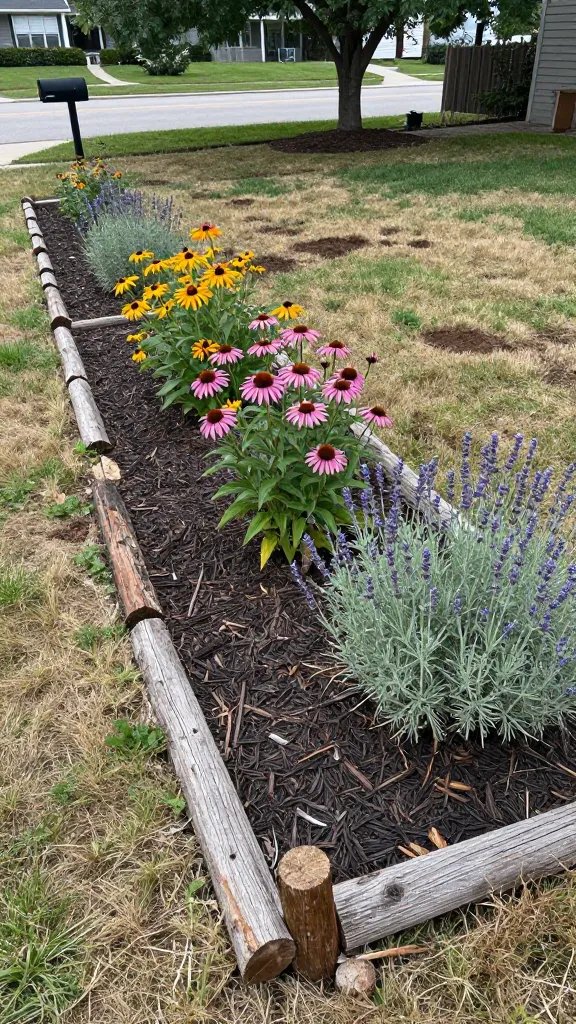
When in doubt, expand your beds. Enlarge a border into patchy grass and take it over with rustic log edging and deep mulch. It looks intentional and cuts lawn care time.
Key Points
- Use untreated logs or split rails; stake them for stability
- Add 3–4 inches of shredded bark to smother the old turf
- Pop in tough perennials: coneflower, black-eyed Susan, Russian sage
This trick transforms random dead spots into abundant cottage beds—fast. Great around mailboxes, under trees, and at fence lines where the mower never fits anyway.
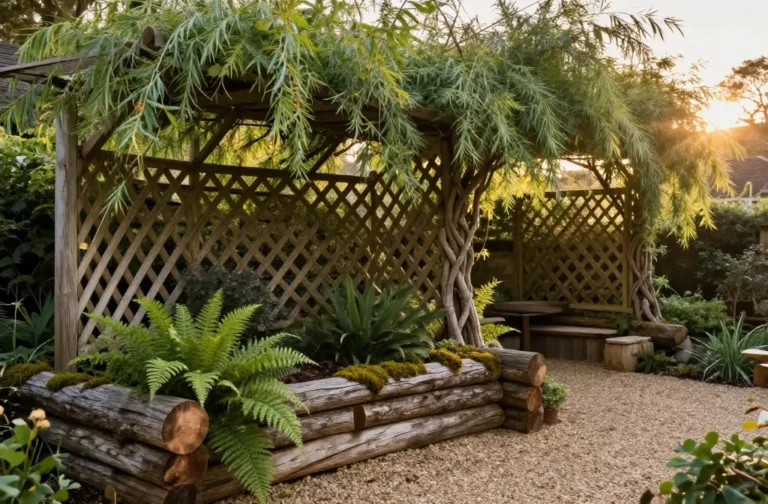
7. Build A Shady Woodland Corner With Ferns And Hostas
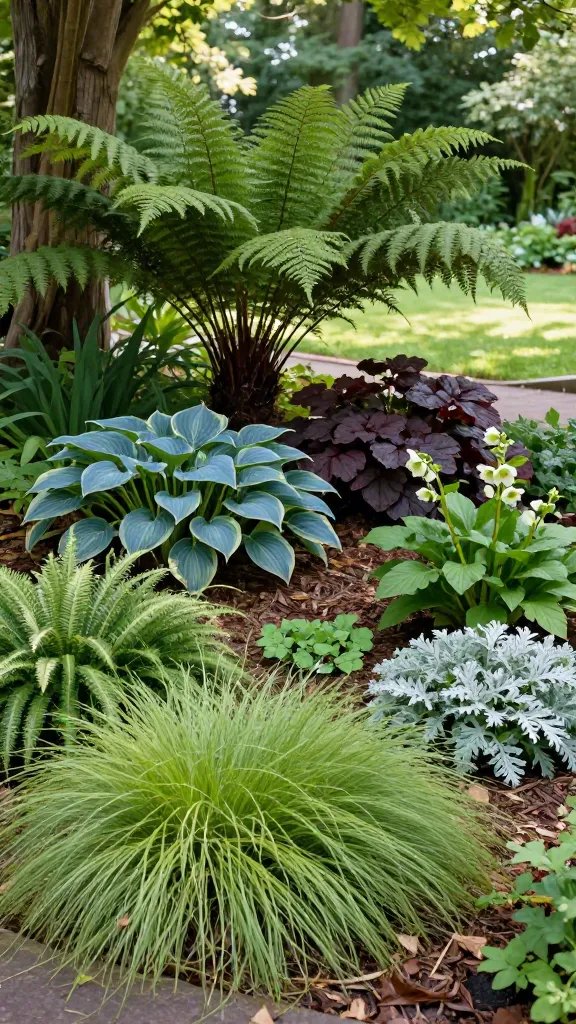
Grass and deep shade are frenemies. So pivot: plant a woodland pocket with layered foliage that loves low light and poor turf. It turns the darkest corner into a fairytale.
Plant Pairings
- Base layer: Japanese forest grass, ajuga, lamium
- Mid layer: hosta, hellebore, heuchera
- Tall layer: ostrich fern, solomon’s seal
Top with leaf litter or fine bark mulch for that forest-floor vibe. You’ll water less and stress less, and the contrast against the rest of the yard looks designer-level, seriously.
8. Install A Rustic Dry Creek Bed To Reroute Water
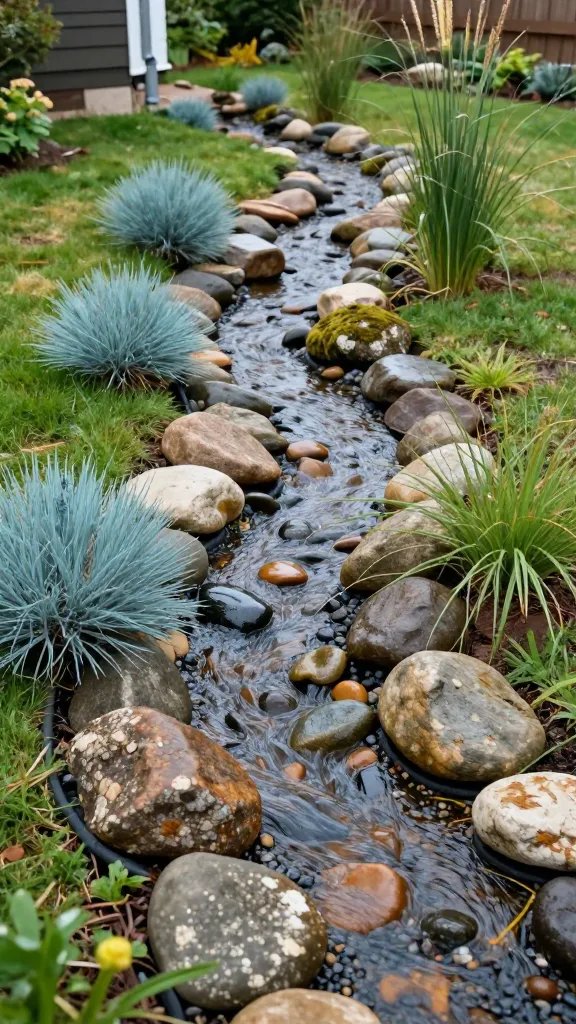
Dead spots from soggy soil? A faux dry creek fixes drainage and adds drama. It looks like nature did the landscaping for you—win-win.
How-To
- Dig a shallow, winding trench leading away from wet areas
- Line with landscape fabric; add river rock and several boulders
- Tuck in grasses and sedges: blue fescue, carex, juncus
It moves water where you want it and creates a stunning focal line. Use near downspouts or low spots where puddles bullied your lawn into submission.
9. Make A Wildflower Mini-Meadow Instead Of Chasing Perfection
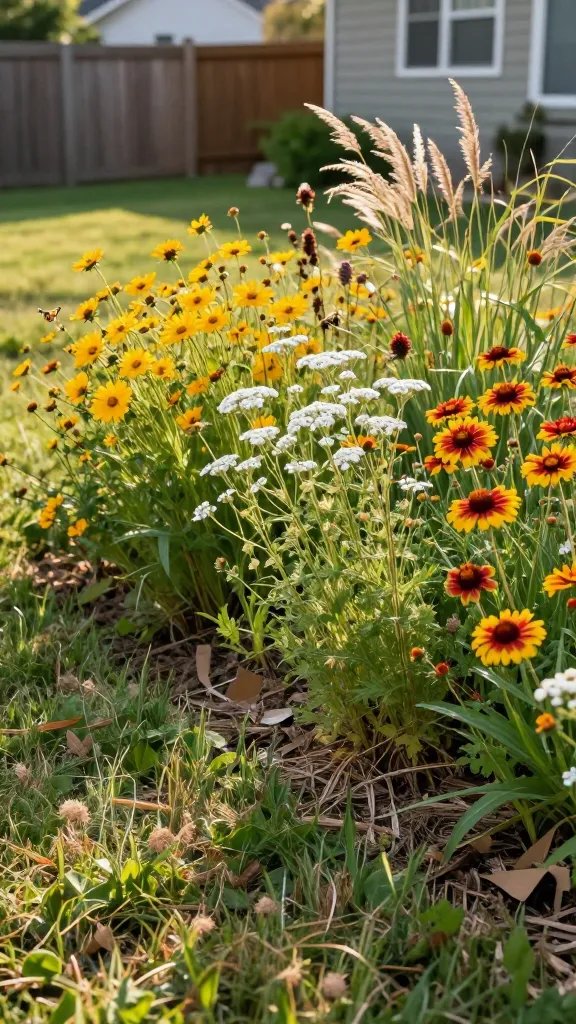
Replace fussy grass with a 100% low-maintenance wildflower patch. You’ll attract pollinators, cut watering, and turn an eyesore into a postcard.
Steps
- Solarize or smother grass with cardboard for 4–6 weeks
- Broadcast a native meadow mix suited to your region
- Mow high once in late fall or early spring
Choose mixes with coreopsis, yarrow, gaillardia, and prairie dropseed for long bloom windows. It’s especially good for sunny corners, slopes, or anywhere you’re tired of micromanaging.
10. Hide The Worst Spots With A Split-Rail Fence And Climbing Vines
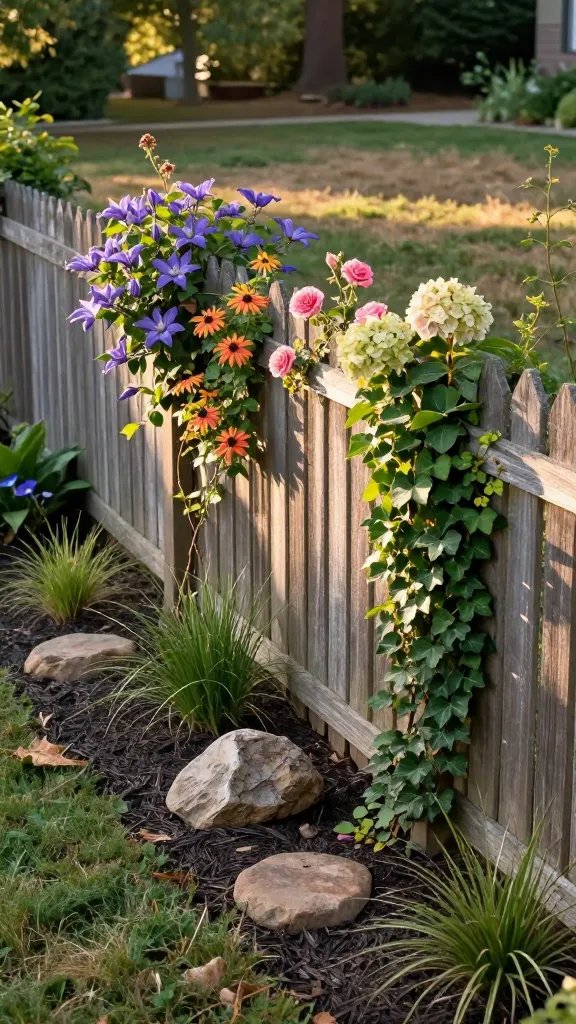
Camouflage 101: if you can’t fix it fast, distract with charm. A short split-rail fence creates instant structure, and vines soften everything with lush growth.
Great Climbers
- Sun: clematis, honeysuckle, climbing roses
- Shade: ivy (contain it), climbing hydrangea, sweet autumn clematis
- Fast annuals: morning glory, hyacinth bean, black-eyed Susan vine
Underplant with mulch and a few boulders to feel intentional. This trick frames your yard, adds height, and conveniently blocks the patches you’re still working on. FYI: It photographs beautifully.
11. Create A Rustic Herb Spiral Over Compacted Soil
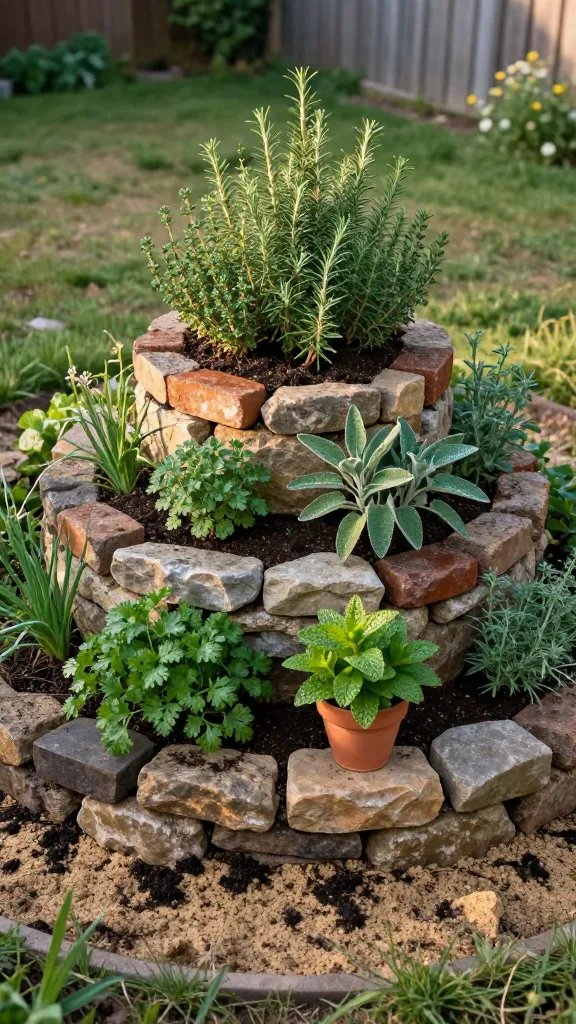
Compacted, lifeless soil hates grass but loves raised features. An herb spiral stacks stones or bricks in a coil, creating microclimates for different herbs with zero lawn drama.
Build Basics
- Form a 4–6 foot diameter spiral with rocks, bricks, or reclaimed stone
- Fill with a fast-draining mix: compost, sand, and topsoil
- Plant dry-lovers up top (rosemary, thyme) and moisture-lovers below (parsley, mint in a pot)
It’s sculptural, edible, and wildly space-efficient. Place it on the most hopeless patch and boom—instant garden centerpiece that actually earns its keep.
Ready to ditch the patchy-lawn shame spiral? Pick two ideas and start this weekend—you’ll see a transformation fast. Your yard can look intentional, cozy, and low-maintenance, and you might even enjoy the process (trust me). Now go make those dead spots jealous.