Genius 15 Rustic Garden Ideas That Solve Muddy Path Problems
Muddy paths ruin cute boots and good moods. Let’s fix that with rustic, low-fuss ideas that drain well and look dreamy. These 15 solutions tame puddles, add charm, and keep your garden strolls slip-free. Ready to turn squelch into swoon?
1. Build A Crunchy Gravel Ribbon
Tired of snacking when you’re not even hungry? This reset helps you stop the loop and feel back in control.
A simple reset for moments when cravings take over. Easy to use, easy to repeat, and designed to help you feel satisfied instead of stuck.
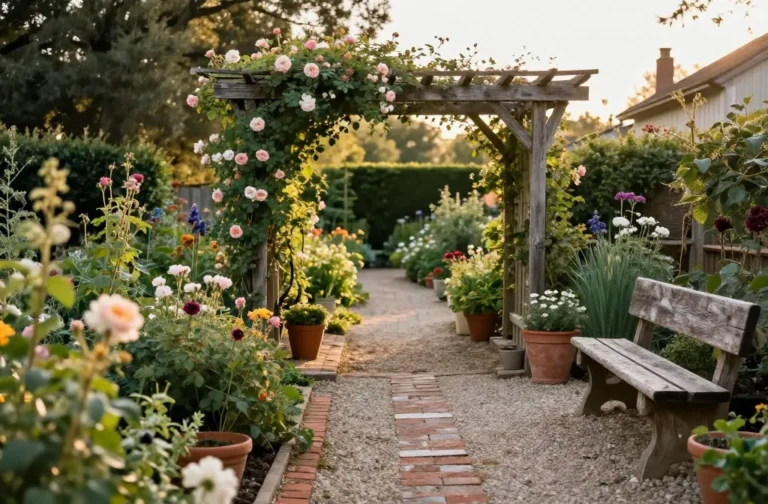
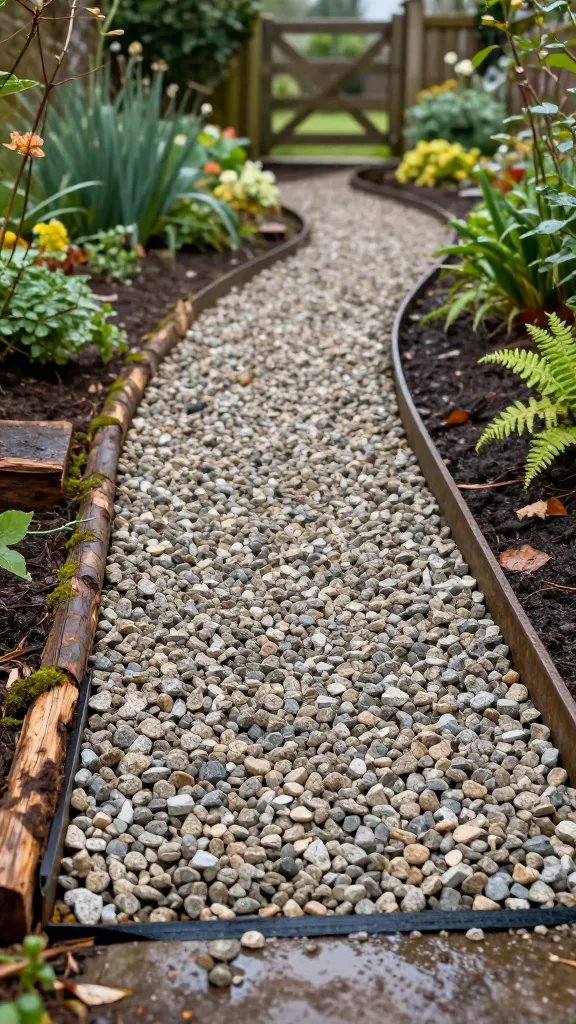
Gravel drains like a champ and looks effortlessly rustic. It’s budget-friendly, easy to refresh, and instantly turns soggy tracks into purposeful paths.
Key Tips
- Excavate 3–4 inches and lay down a geotextile fabric to block mud from migrating.
- Use angular gravel (like 3/8” crushed stone) so it locks together and doesn’t roll.
- Edge with split logs or metal edging to keep everything neat.
Best for long runs that need serious drainage without looking too formal.
2. Lay Chunky Stepping Stones In Pea Gravel
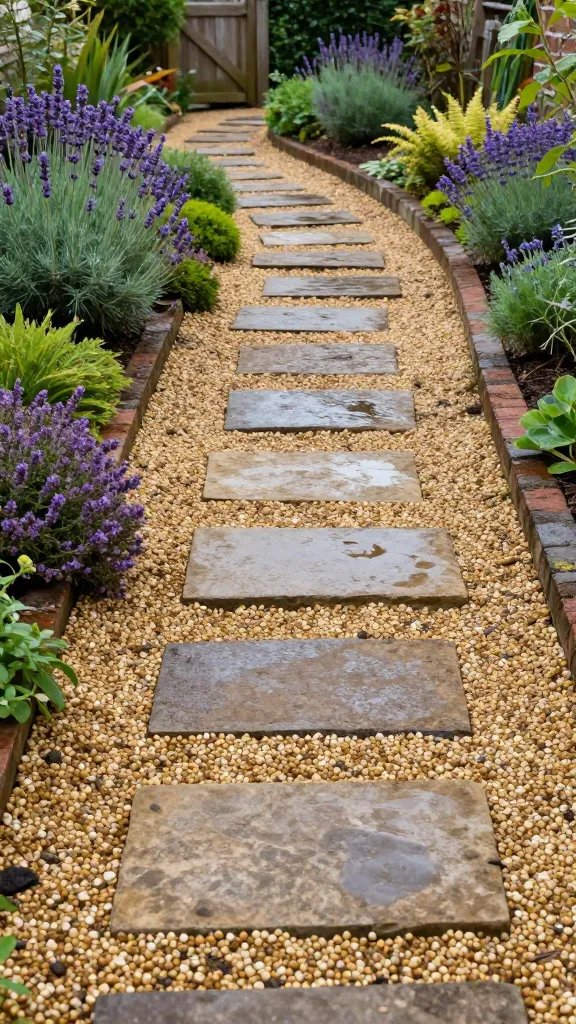
Large pavers set in a bed of small stone keep your feet high and dry. The pea gravel fills gaps, drains fast, and softens the look.
Transform Your Home With 7,250+ Stunning Landscaping Designs—No Expensive Designers Needed!
- 🌿 Access 7,250+ stunning landscaping designs.
- 💰 Save thousands—no pro designer needed.
- 🏡 Plans for gardens, patios, walkways, and more.
- ✨ Simple, beginner-friendly DIY layouts.
- 🛠️ Customize any design to fit your yard.
Materials
- Flagstone, thick slate, or reclaimed concrete
- Pea gravel for infill
- Compacted crushed stone base
Use this when you want a stable, refined look that still reads rustic cottage path.
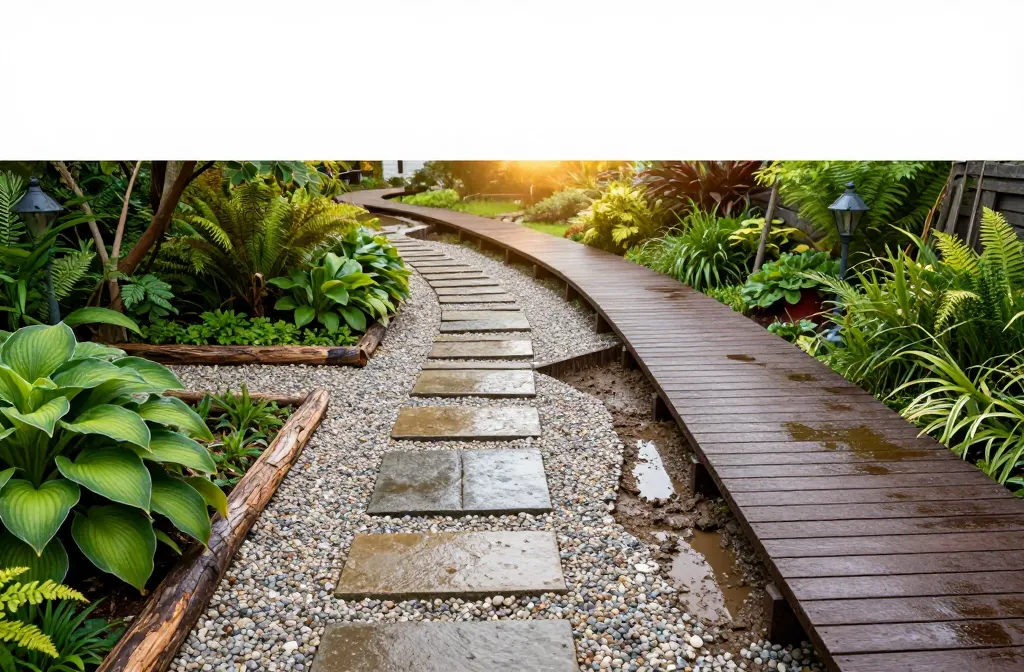
3. Add A Rustic Boardwalk Over Low Spots
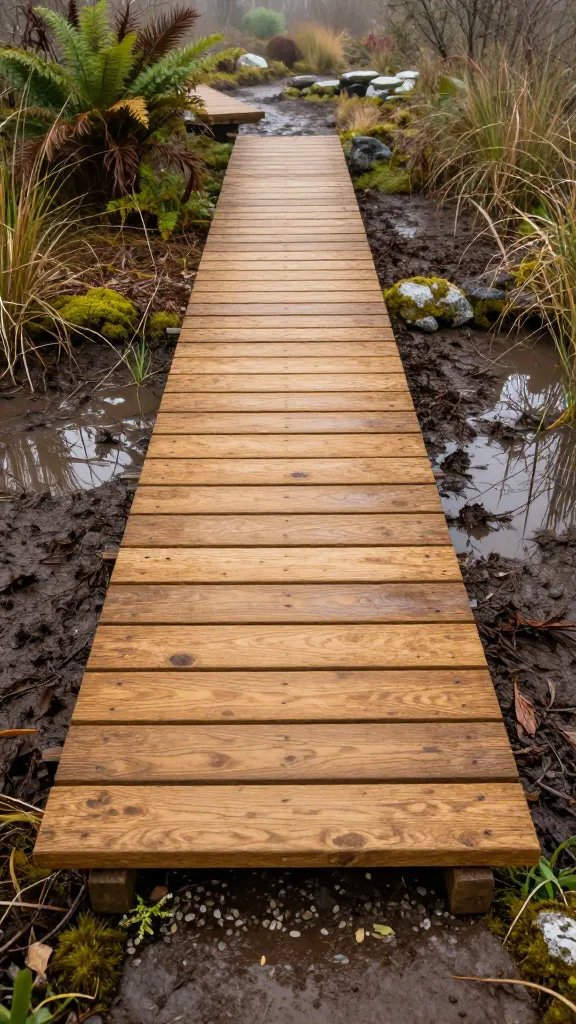
Got a swampy dip that never dries? Float a simple wood boardwalk over it and stop battling the muck.
Build Notes
- Use pressure-treated, cedar, or composite planks with 1/4” gaps for drainage.
- Set on gravel-filled sleepers or ground-contact rated beams.
- Stain with a warm tone to blend into the landscape.
Perfect for problem zones where soil stays soggy despite your best efforts.
4. Create A Wood Chip Woodland Walk
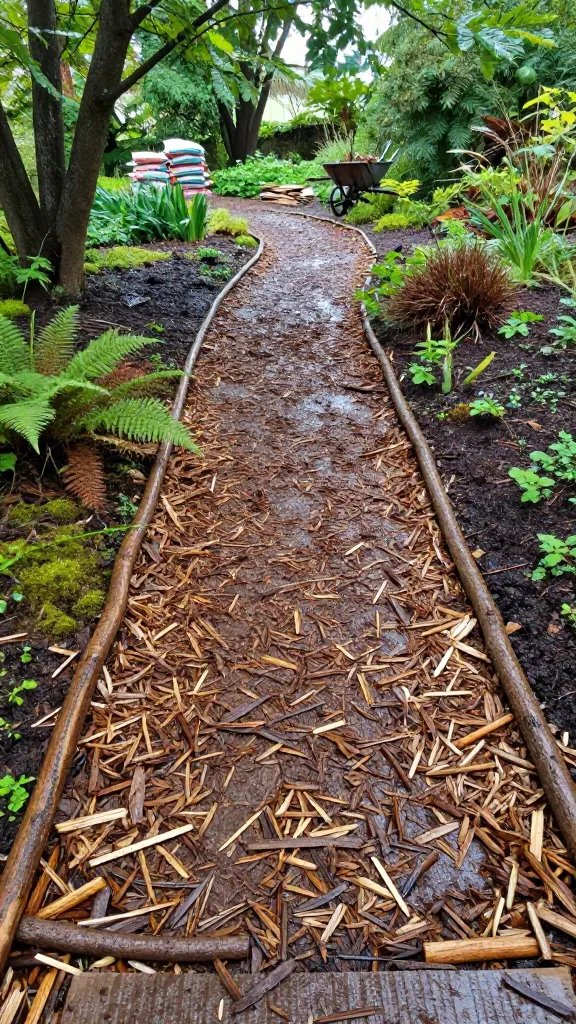
Wood chips shout “forest path” and soak up moisture like champs. They also suppress weeds and smell amazing after rain.
Pro Move
- Lay cardboard or fabric first, then 3–4 inches of fresh chips.
- Top up annually; chips break down and improve soil structure.
- Define with branch edging for extra rustic charm.
Great for informal paths and budget-friendly coverage that handles wet seasons.
5. Install Reclaimed Brick On A Sand Bed
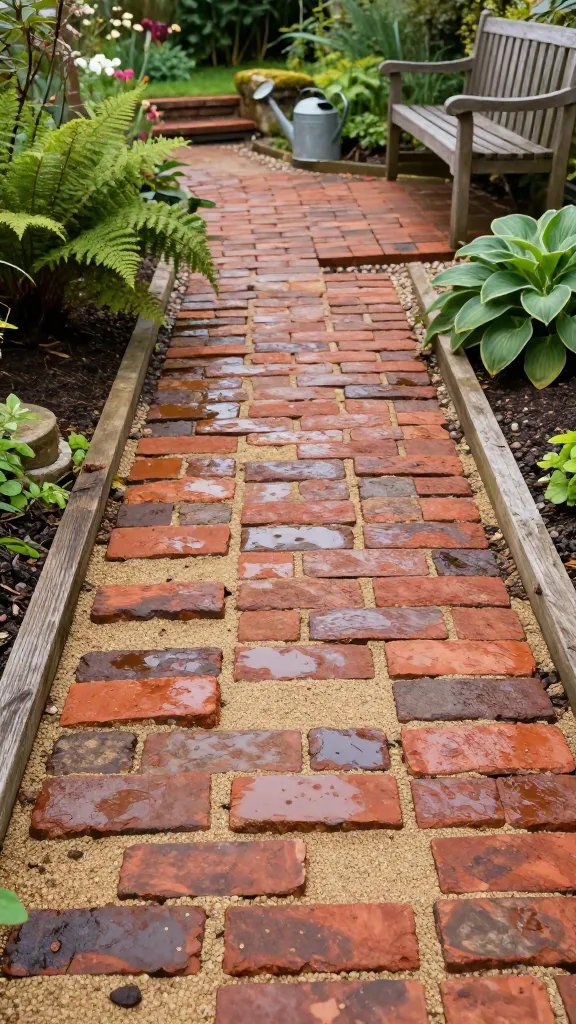
Old brick offers character and traction. Sand-set bricks drain better than mortar-set, which keeps puddles away.
Pattern Ideas
- Herringbone for strength on sloped areas
- Running bond for straight, speedy installs
- Basketweave for cottage vibes
Choose this when you want vintage style with surprisingly practical performance.

6. Go Full Cottage With Stepping Logs
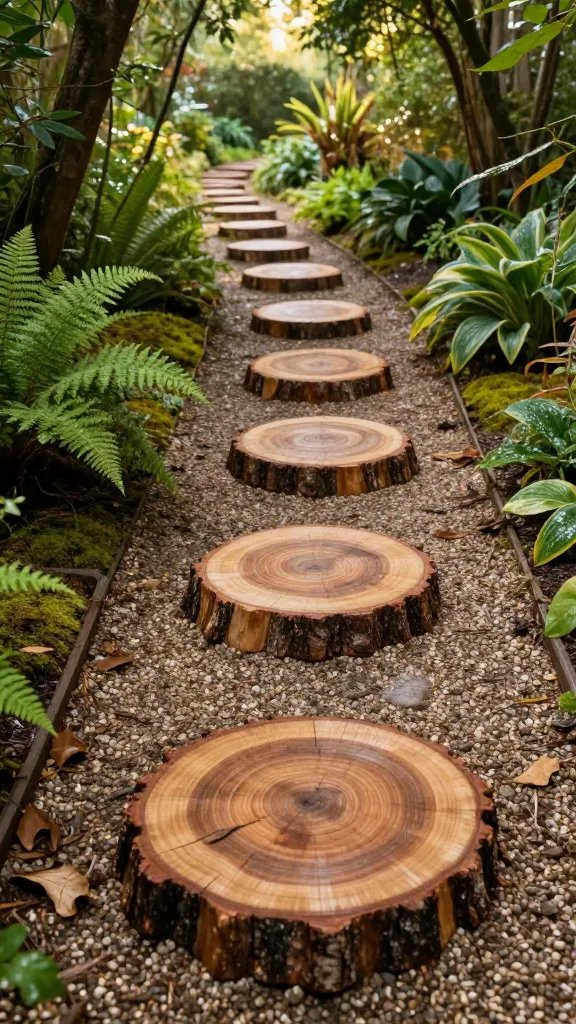
Cross-sections of logs make adorable “cookies” that lift your step above mud. They feel playful and super naturalistic.
How To Make Them Last
- Use rot-resistant woods like black locust or cedar.
- Set on gravel pockets, not bare soil.
- Keep slices thick (3–4 inches) for stability.
Perfect for shaded paths where you want a storybook feel.
7. Edge With River Rock And Add A Center Drain
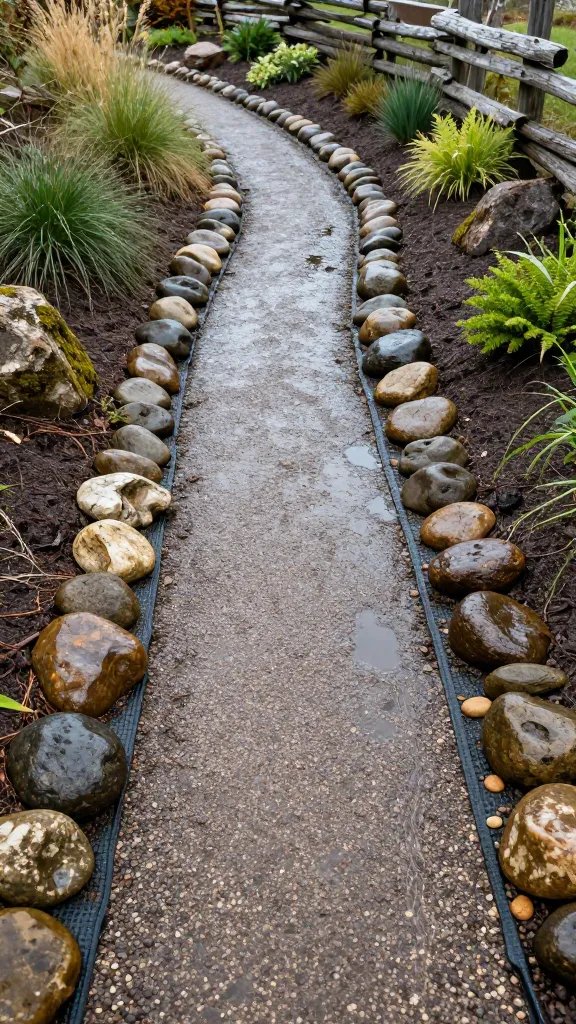
Turn your path into a disguised drainage channel. River rock keeps water moving while the walking surface stays tidy.
Layout
- High, firm center with gentle camber to shed water to the sides.
- River rock swales along both edges.
- Set fabric under rocks to stop soil from clogging the gaps.
Use this where runoff crosses your path and needs a lane of its own.
8. Compact A Decomposed Granite (DG) Walkway
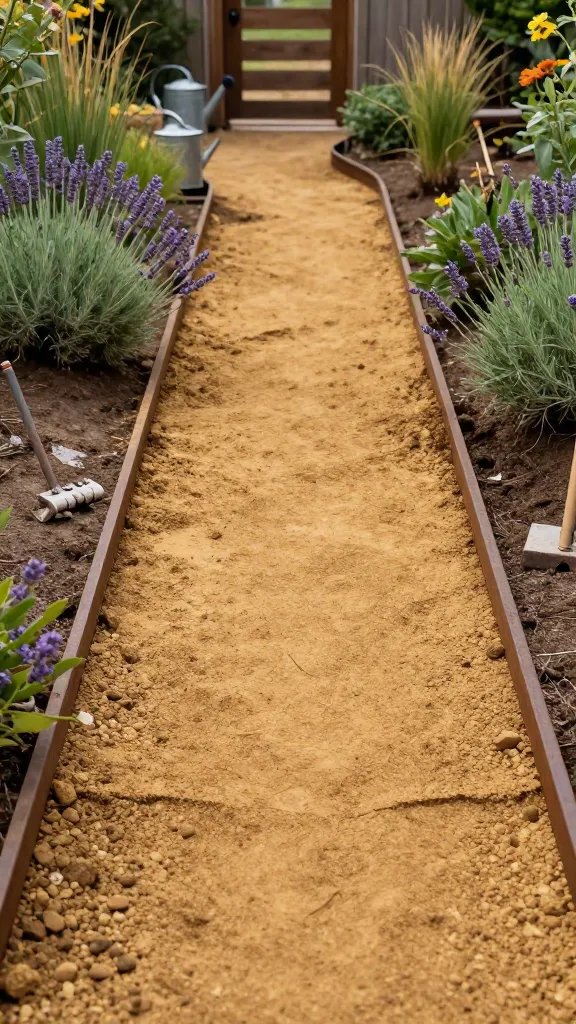
Decomposed granite compacts into a firm, gritty surface that drains but stays walkable. It looks warm and rustic, not suburban.
Installation Essentials
- Lay a 3–4 inch base of compacted crushed stone.
- Add stabilized DG if you want fewer ruts.
- Use sturdy edging to keep it crisp.
Best for main garden arteries that need durability plus drainage.
9. Set Flagstone With Creeping Thyme Joints
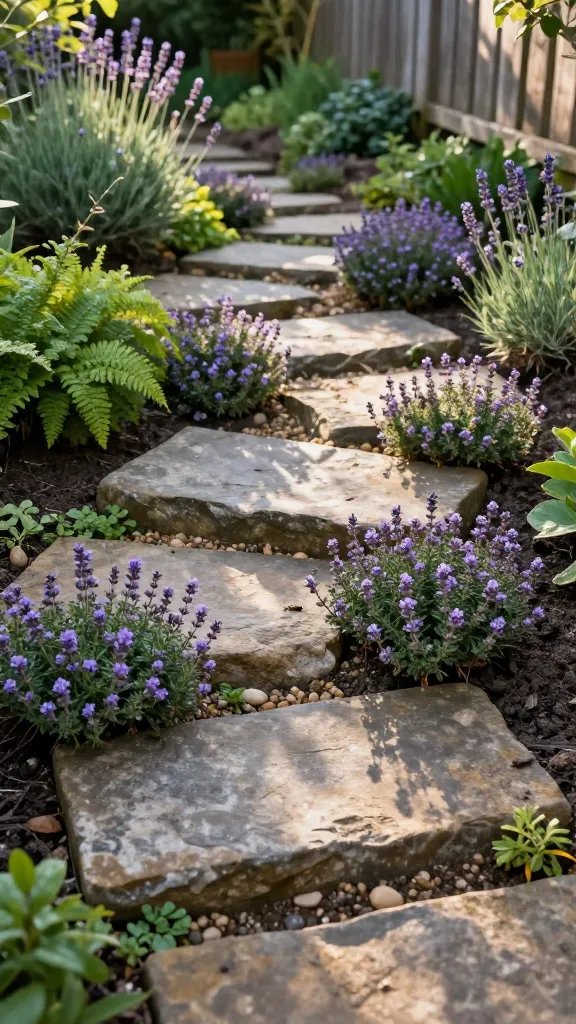
Flagstone gives you wide, stable steps. Plant creeping thyme or Irish moss between stones to drink up moisture and add color.
Planting Tips
- Use sharp sand or grit between stones for drainage.
- Pick sun-loving thyme for bright spots; switch to leptinella for shade.
- Space stones 1–2 inches apart for lush, low maintenance fill.
Choose this when you want beauty, bees, and less mud—win, win, win.
10. Hide A French Drain Beneath Your Path
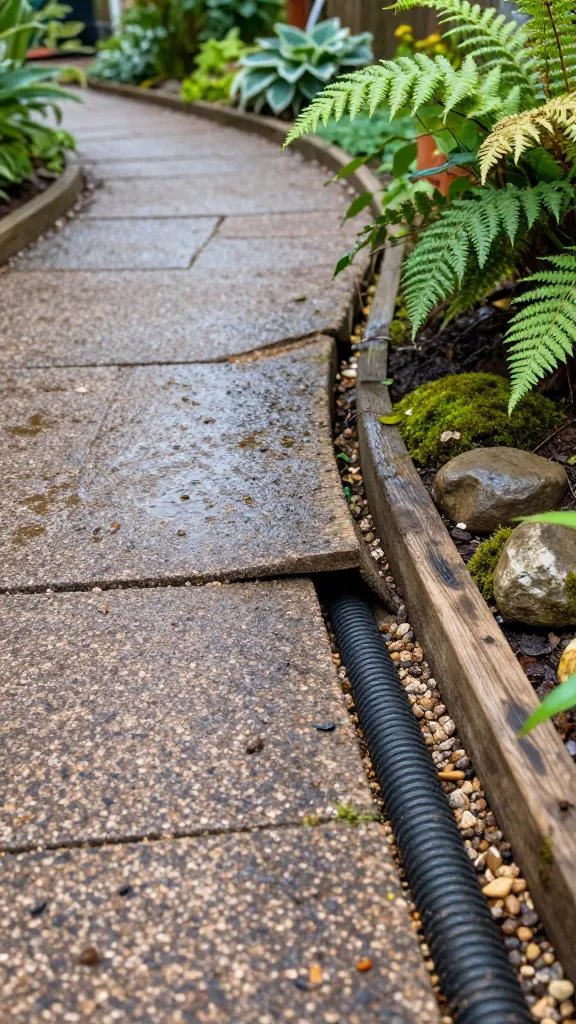
Sometimes you need stealth engineering. A French drain under the walkway pulls water away so your surface stays clean.
How It Works
- Trench with a slight fall toward a safe outlet.
- Line with fabric, add perforated pipe, then gravel.
- Top with your chosen path material—gravel, DG, or pavers.
Ideal for chronic wet areas and clay soils that refuse to cooperate.
11. Use Rustic Gabion Edging Filled With Stone
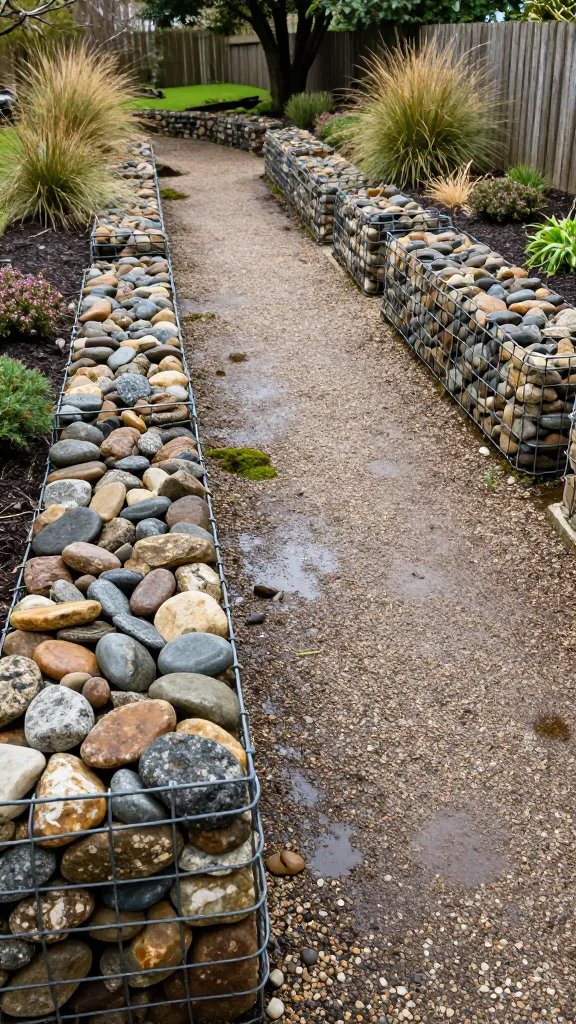
Gabion baskets create strong, drain-friendly borders that look industrial-rustic in the best way. They shape your path and slow erosion.
Why It Works
- Stone-filled cages let water pass freely.
- Add height to lift the path surface above sogginess.
- Stuff with mixed local rock for texture.
Pick this for sloped sites where edges wash out or paths sink.
12. Mix Brick And Gravel For A Farmhouse Mosaic
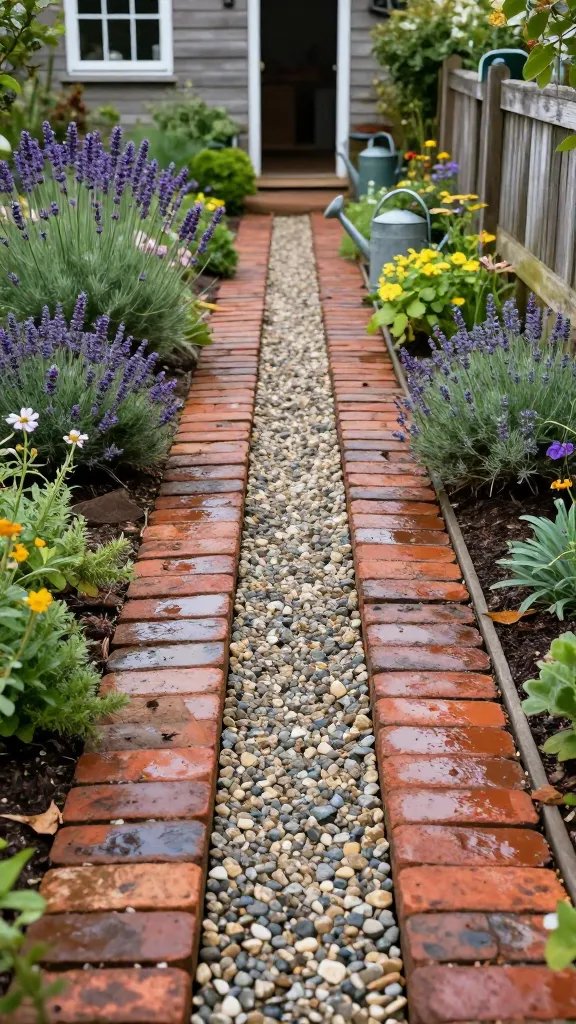
Alternate strips of brick with bands of gravel for drainage plus traction. It looks intentional and charming without feeling precious.
Design Tips
- Run brick ribbons perpendicular to slope for grip.
- Use angular gravel between the bands.
- Keep joints tight so weeds don’t throw a party.
Great for courtyards and entry runs where style matters as much as mud control.
13. Add Step-Through Stone Treads On A Slope
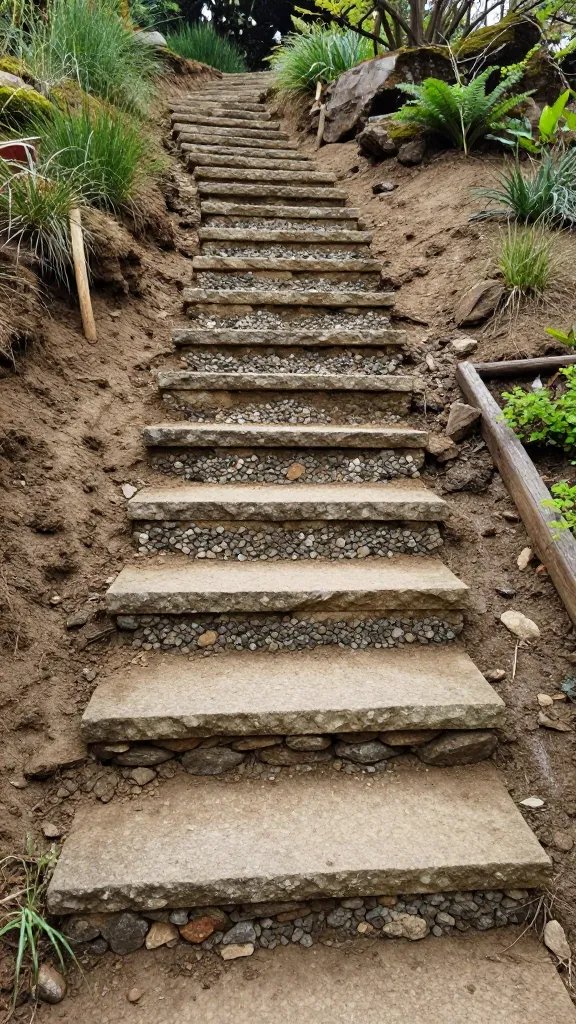
Steep, slippery slope? Install chunky stone treads cut into the bank with gravel backfill behind each rise.
Build Basics
- 6–7 inch risers feel comfortable.
- Excavate and set each stone on compacted base.
- Backfill with gravel for drainage behind the tread.
Best for hillside gardens where muddy slides need to become actual stairs.
14. Use Permeable Pavers With Rustic Finishes
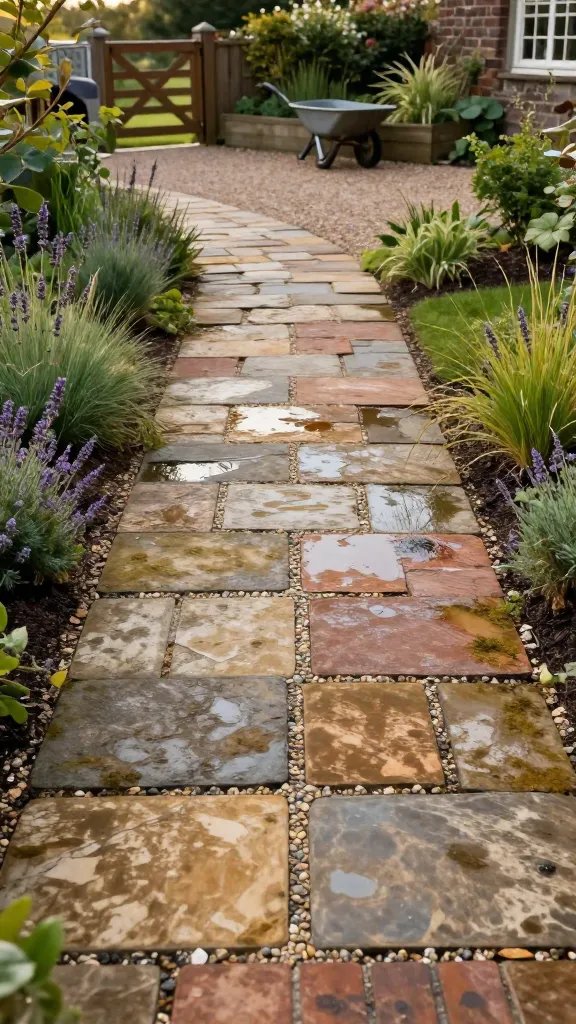
Permeable pavers manage serious water while looking like stone or brick. They lock together, support weight, and let rain soak through.
Why You’ll Love Them
- High drainage rates eliminate puddles.
- Many weathered finishes suit farmhouse or cottage styles.
- Low maintenance once installed right.
Choose this for drive-to-garden transitions or heavy-use paths that can’t stay muddy, ever.
15. Create A Dry Creek Bed Detour
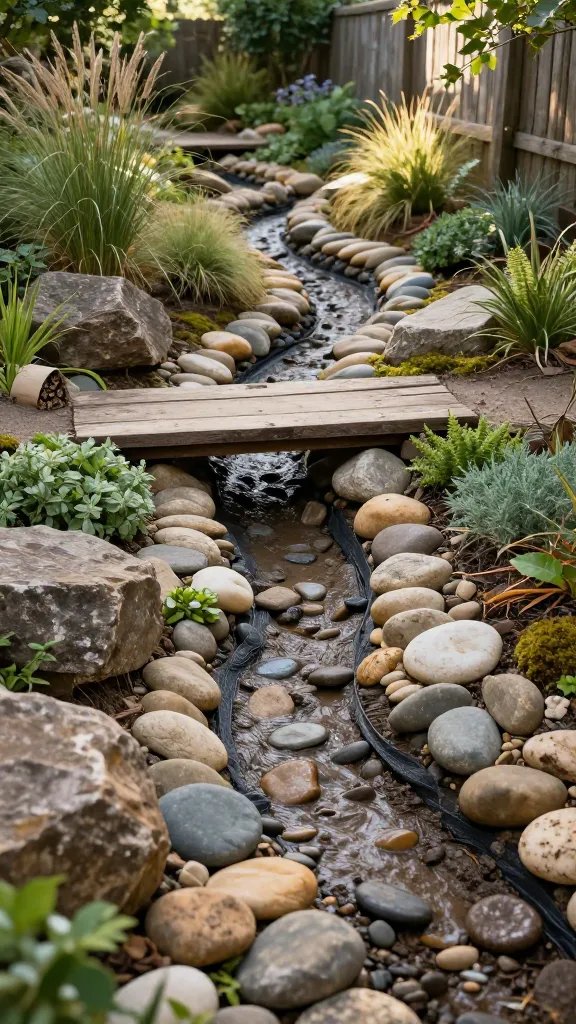
When water insists on crossing your path, give it a gorgeous lane of its own. A dry creek bed looks natural and diverts runoff.
How-To
- Shape a shallow, meandering channel lined with fabric.
- Layer river stones, then add boulders as accents.
- Bridge with flat stepping stones or a tiny wooden span.
Use this when you want function disguised as art, and bonus habitat for beneficial bugs.
See a theme here? You don’t need to fight mud when you can outsmart it with charm. Pick one idea or mix a few, and your garden walks will go from squish to swoon—seriously. FYI, your boots will thank you, and so will your plants.